Are Garage Floor Coatings Slippery? Slip Resistance Guide

Corey Parker • May 21, 2026

Share this article

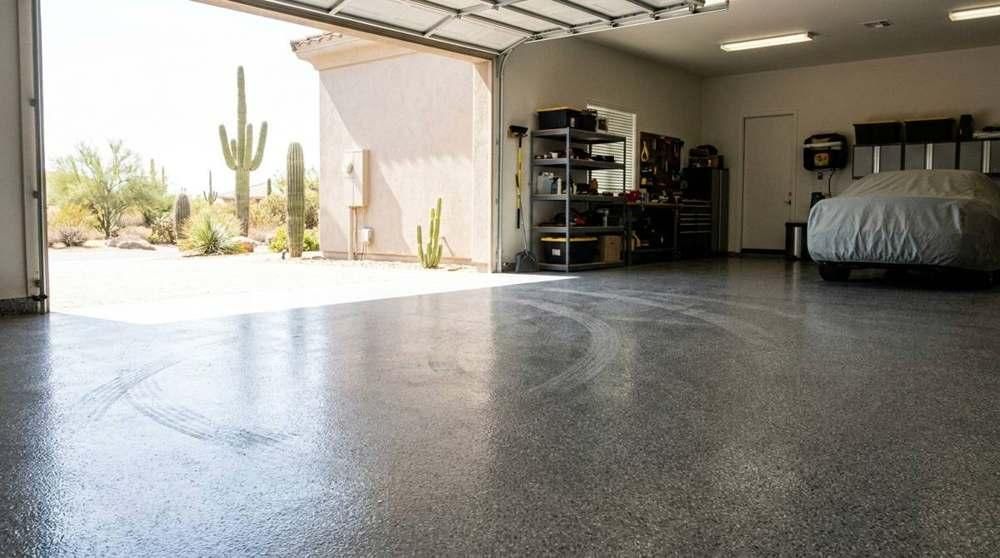
Garage floor coatings can be slippery when smooth and wet, but professional systems with textured additives or broadcast flakes provide equal or better traction than bare concrete. Floor Shield Phoenix installs polyaspartic garage floor coatings with slip-resistant texture built into every system as a standard feature, not an upgrade. Our coatings meet the same wet-surface traction standard used for commercial bathroom tile and restaurant kitchens, a measure called DCOF (Dynamic Coefficient of Friction) under ANSI A326.3. Builders and architects use this specification for safety-critical surfaces.

Phoenix garages face a unique mix of slip hazards that other climates don't. Monsoon season pushes water and fine desert dust through open garage doors, creating a slick film on smooth surfaces, and oil drips from vehicles compound the problem. Traction here isn't a cosmetic preference; it's a safety requirement. The sections below cover how coating texture affects traction, how Floor Shield's polyaspartic system stays safe in real Phoenix conditions, and what to look for when comparing slip-resistance claims from different installers.

How Slip Resistance Is Measured

Slip resistance is measured using the Dynamic Coefficient of Friction (DCOF), which tests how much grip a surface provides when wet and under motion. The industry standard, ANSI A326.3, sets a minimum DCOF of 0.42 for interior wet surfaces.

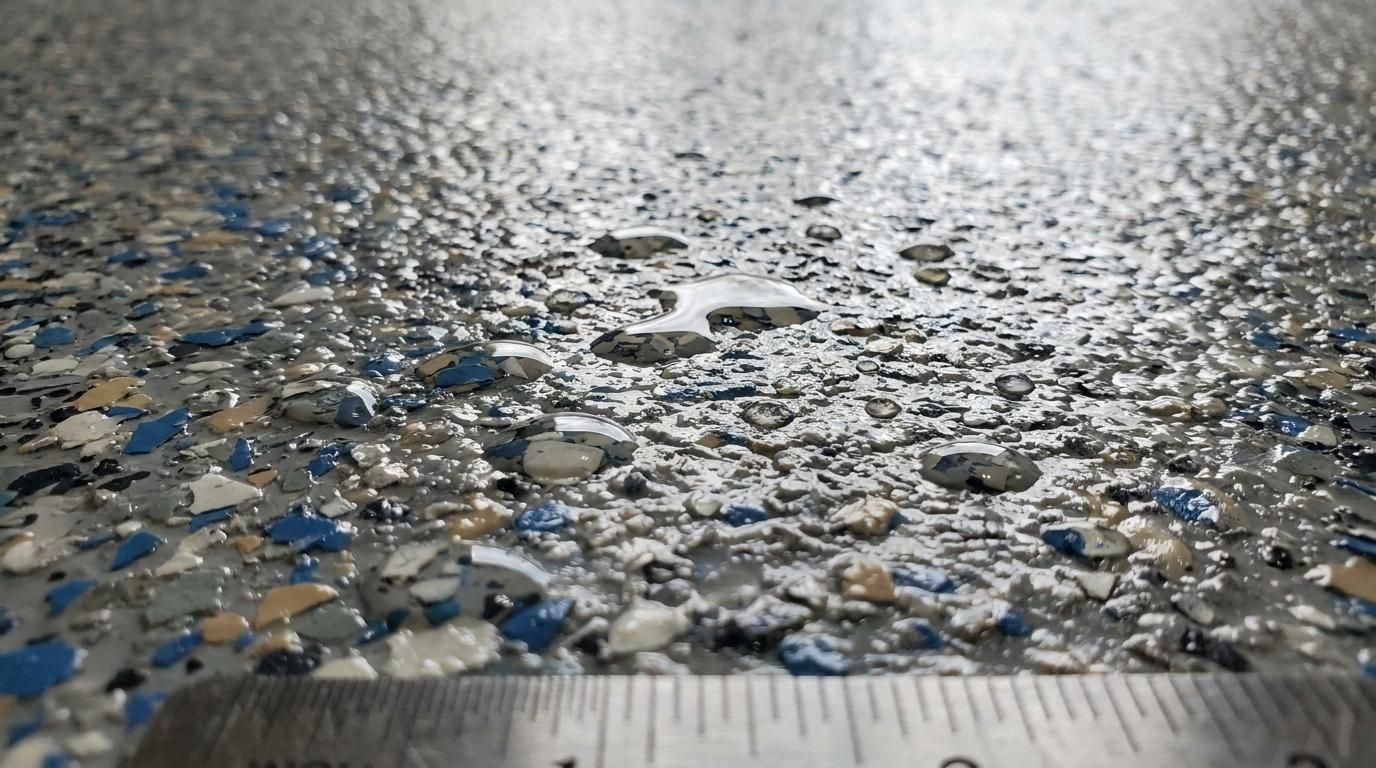
A smooth, unfinished polyaspartic coating without any texture typically tests between 0.3–0.5 DCOF. That's borderline. Adding textured broadcast material like vinyl flakes, silica sand, or aluminum oxide raises the DCOF to 0.6–0.8 or higher, which exceeds the standard by a wide margin.

For context, bare concrete scores roughly 0.4–0.5 DCOF when wet. A properly textured polyaspartic coating actually outperforms bare concrete in wet conditions because the broadcast material creates consistent micro-traction across the entire surface, unlike concrete's uneven porosity.

What Makes a Coating Slippery or Safe?

Two factors determine whether a coated floor is slippery: the topcoat finish and the broadcast material embedded in it.

Topcoat Finish

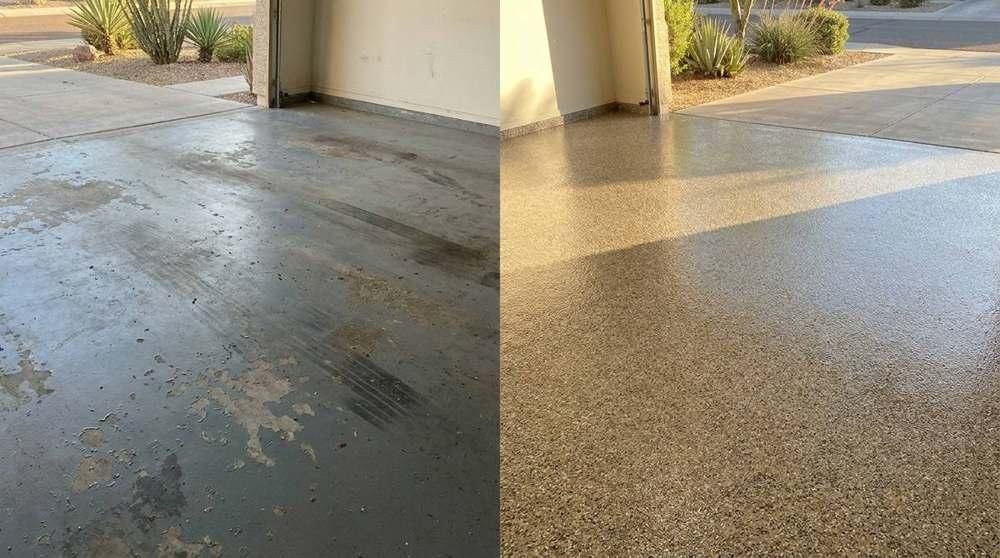
A high-gloss clear coat with no texture creates the slickest surface. This is the finish most commonly associated with "slippery coatings," and it's avoidable. Professional installers can adjust the topcoat sheen and add anti-slip agents directly into the final layer to increase grip without sacrificing appearance.

Broadcast Material

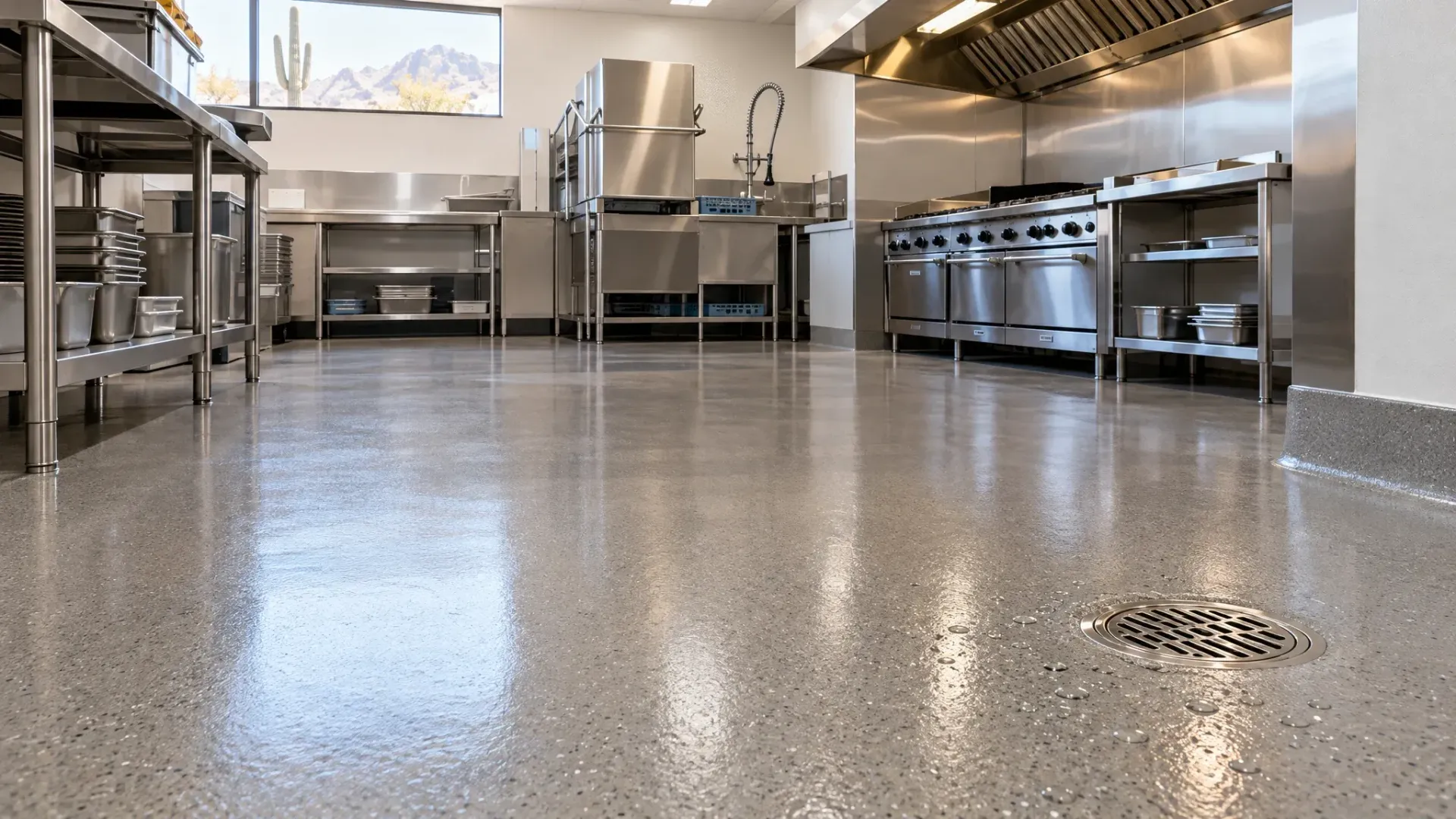
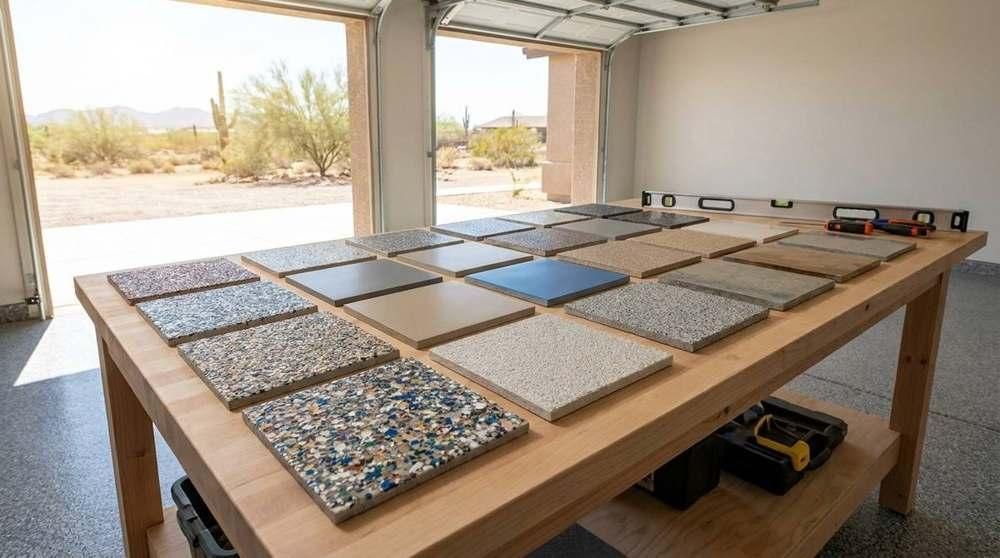
The broadcast step is where most of the traction comes from. Floor Shield Phoenix's flake floor coating system embeds vinyl flakes into the wet base coat, creating a textured surface that the clear topcoat seals over. Our quartz floor coating system goes further, using quartz aggregate for maximum grip in areas where water or chemicals are present, like pool decks and commercial kitchens.

Choosing the Right Texture for Your Garage

The right slip resistance level depends on how you use the space and what hazards are present.

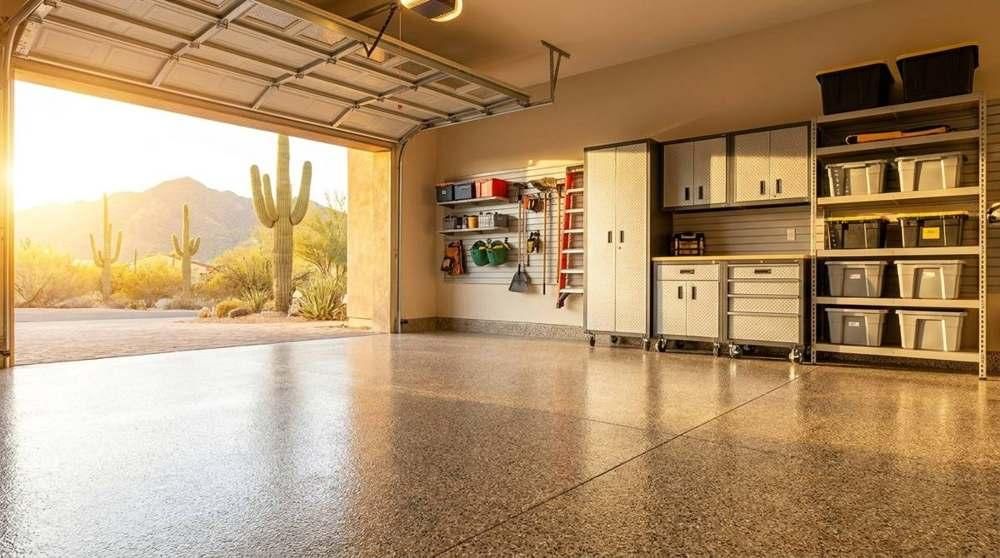
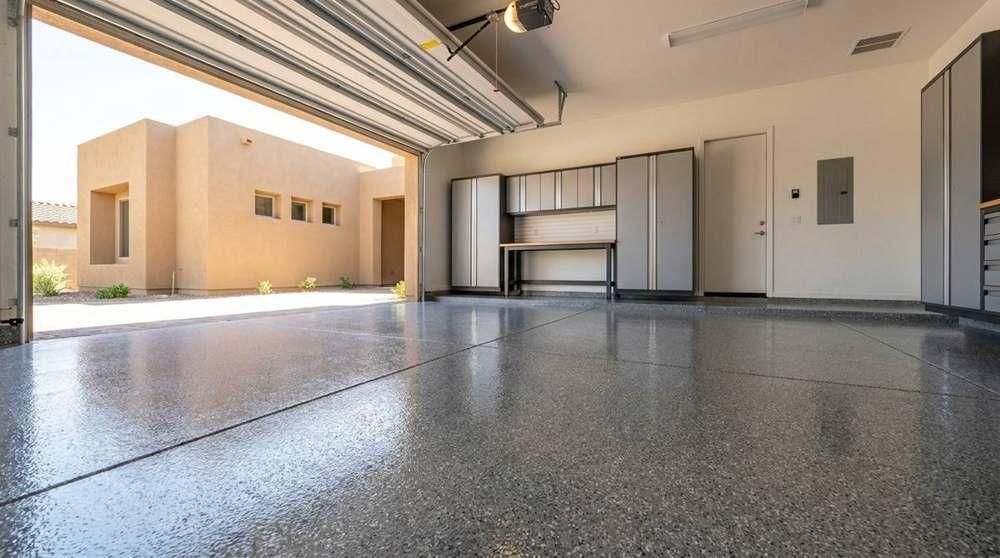
For most residential garages in Phoenix and the East Valley, the flake system provides the best balance of appearance and traction. The vinyl flakes add enough texture to prevent slipping on wet surfaces without creating a rough surface that's uncomfortable underfoot or difficult to sweep clean.

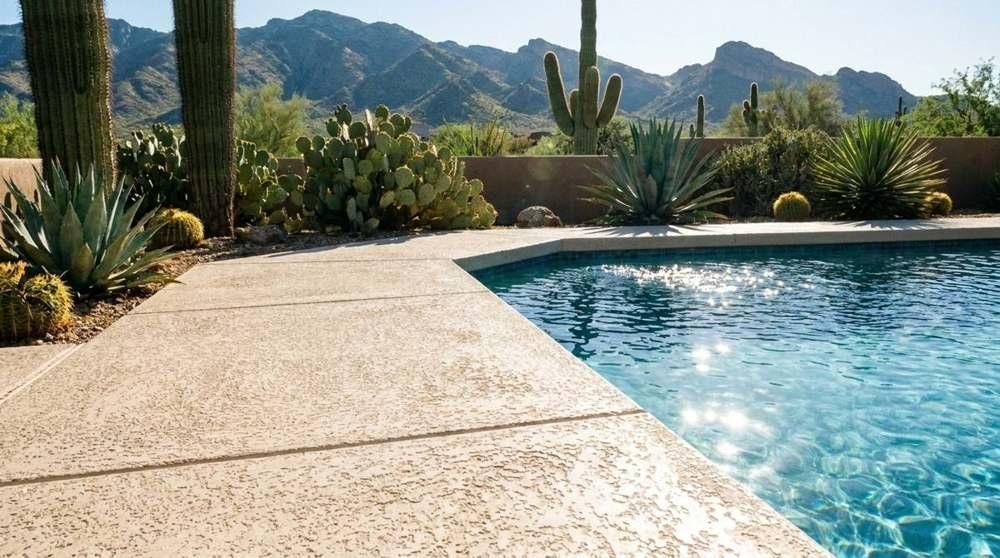
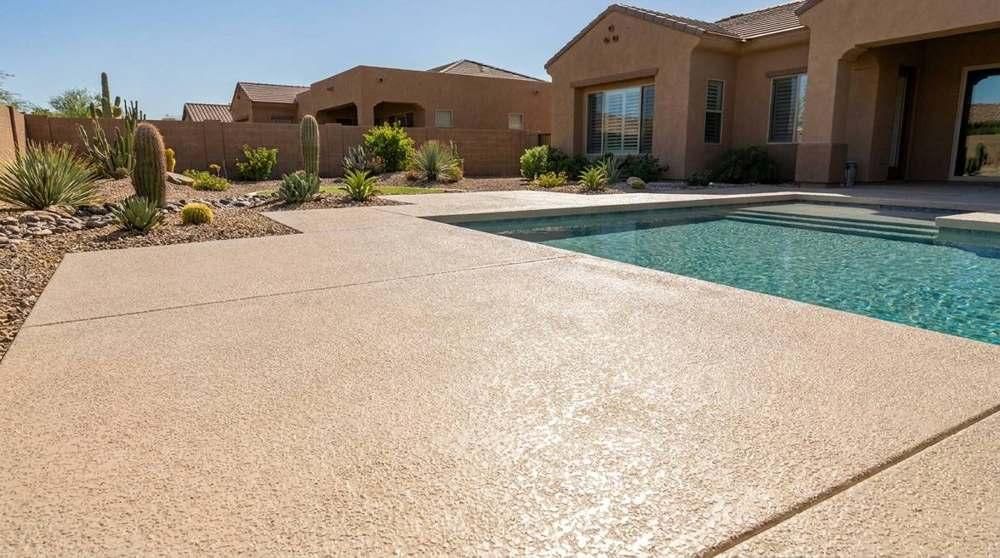
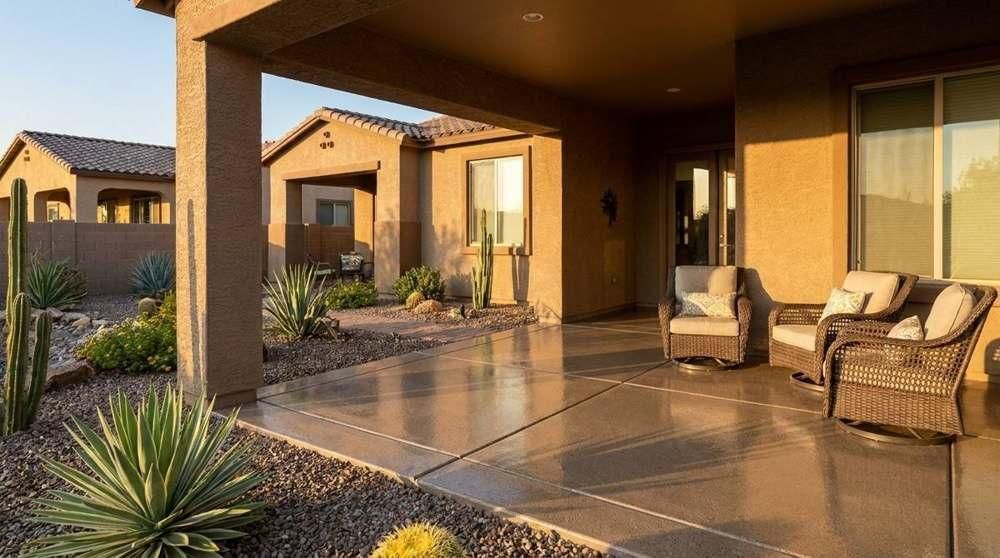
For pool decks and wet areas, the quartz system offers higher traction because the aggregate particles are denser and more uniform than vinyl flakes. This makes it the preferred choice for surfaces that are regularly exposed to water, pool chemicals, and bare feet.

Solid color coatings can also include anti-slip additives mixed into the topcoat. This approach works for homeowners who want a clean, minimalist look without visible flakes or quartz texture.

Frequently Asked Questions

Are polyaspartic coatings more slippery than epoxy?

Neither coating is inherently more slippery than the other when both use the same texture additives. The base chemistry doesn't determine traction. What matters is the broadcast material and topcoat finish. Floor Shield Phoenix's polyaspartic systems include slip-resistant texture as standard on every residential installation.

Can I add slip resistance after a coating is installed?

Adding traction after installation is difficult and rarely matches the original surface. The most effective approach is building slip resistance into the coating during installation. Retrofitting anti-slip products onto an existing coating creates an uneven surface that wears inconsistently and can peel.

Do coated garage floors get slippery when dusty?

Fine dust on any smooth surface reduces traction, and Phoenix's desert environment generates constant airborne particulate. Textured coatings handle this better than smooth surfaces because the broadcast material traps small particles between the texture peaks instead of letting them create a uniform slick layer.

Get a Safer Garage Floor

Slip resistance comes down to how the coating is built, not what type of coating it is. A smooth, untextured surface will be slippery whether it's epoxy, polyaspartic, or paint. A textured system with broadcast flakes or quartz aggregate will outperform bare concrete in wet conditions. The choice happens during installation, not after.

For a slip-resistant garage floor, pool deck, or patio coating, contact Floor Shield Phoenix at (602) 890-3194 to discuss the level of texture you need for your space.

Recent Posts

By Corey Parker May 28, 2026
Compare polyaspartic vs. epoxy garage floor coatings for Arizona homes. Weigh their UV resistance, cure times, costs, and heat performance side by side.
By Corey Parker May 25, 2026
Epoxy garage floors yellow from UV exposure. Learn the chemistry behind epoxy yellowing, why Arizona accelerates it, and which coatings don't turn yellow.
By Corey Parker May 18, 2026
Hot tire pickup peels garage floor coatings when heated tires park on softened epoxy. Learn why Phoenix garages are vulnerable and how to prevent it.
By Corey Parker May 15, 2026
Compare DIY epoxy kits vs. professional polyaspartic garage floor coating in Phoenix. Learn their costs, lifespans, and what Arizona heat does to each option.
By Corey Parker May 10, 2026
Learn what Floor Shield Phoenix's 15-year floor coating warranty covers, what can void it, and how it compares to epoxy warranties in Arizona.
By Corey Parker May 6, 2026
Find out if concrete coatings are worth the cost for Phoenix homes. Compare polyaspartic's pricing, lifespan, and long-term value vs. bare concrete.
By Corey Parker May 2, 2026
Concrete coating lifespan in Arizona depends on chemistry. Compare epoxy vs. polyaspartic's durability, UV resistance, and heat performance in Phoenix.
Garage with several bicycles, white walls, and a split epoxy floor of smooth gray and speckled tan.
By Corey Parker April 29, 2026
Get an honest review of polyaspartic coating's drawbacks, including its cost, fast cure challenges, and DIY limits. Here's what Arizona homeowners should know.
Cracked concrete floor with a large broken patch and water puddles in a garage or driveway
By Corey Parker April 21, 2026
Epoxy garage floors fail fast in Arizona. Learn why yellowing, peeling, and hot tire pickup happen, and which coating lasts in our desert heat.
Worker smoothing concrete floor in an open garage, with tools and equipment nearby.
By Corey Parker April 10, 2026
Learn about Floor Shield Phoenix polyaspartic coating costs, installation steps, and system options. Offering one-day installations with a 15-year warranty.
Show More