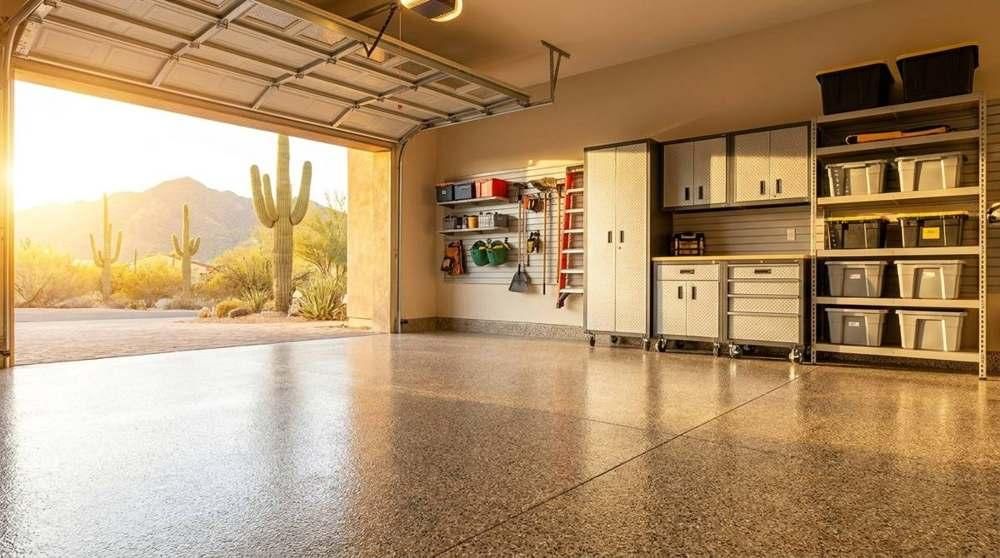
Pool Deck Resurfacing Options for Phoenix Homeowners: Costs and Comparisons

Corey Parker • June 6, 2026

Share this article

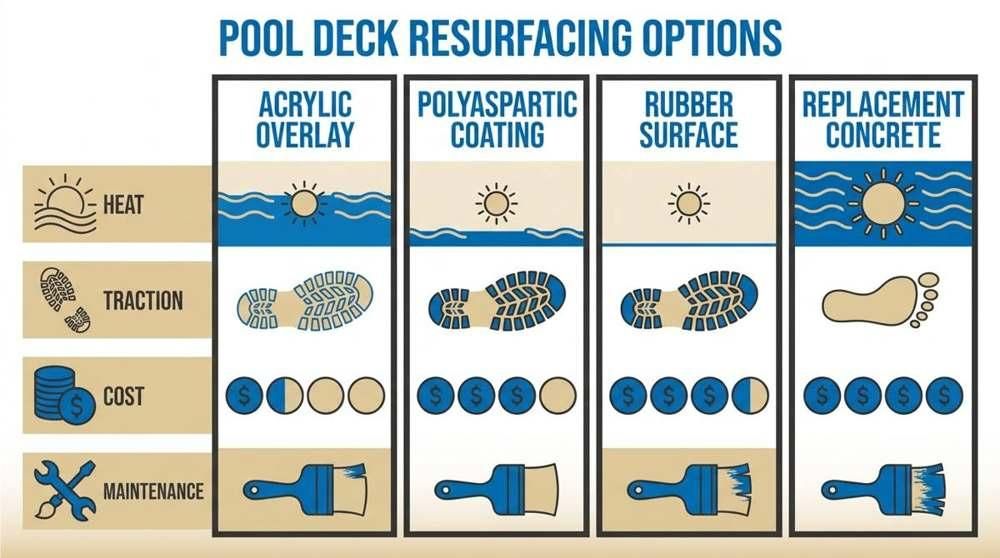
Pool deck resurfacing options in Phoenix include acrylic overlays, rubberized surfaces, concrete replacement, and polyaspartic coatings, each with a different cost, heat, and traction trade-offs. Floor Shield Phoenix installs pool deck coating systems for homeowners who need UV-stable protection around water, chlorine, and bare feet.

The right choice depends on whether your deck is mainly faded, too hot, slippery, cracked, or structurally damaged. Some options refresh the surface; others solve deeper concrete problems. This comparison separates cosmetic resurfacing, coating performance, repair scope, and long-term maintenance so you can match the fix to the deck.

How the Main Pool Deck Options Compare

Phoenix pool decks fail in different ways, so the resurfacing option has to match the problem.

Acrylic overlays and cool deck systems

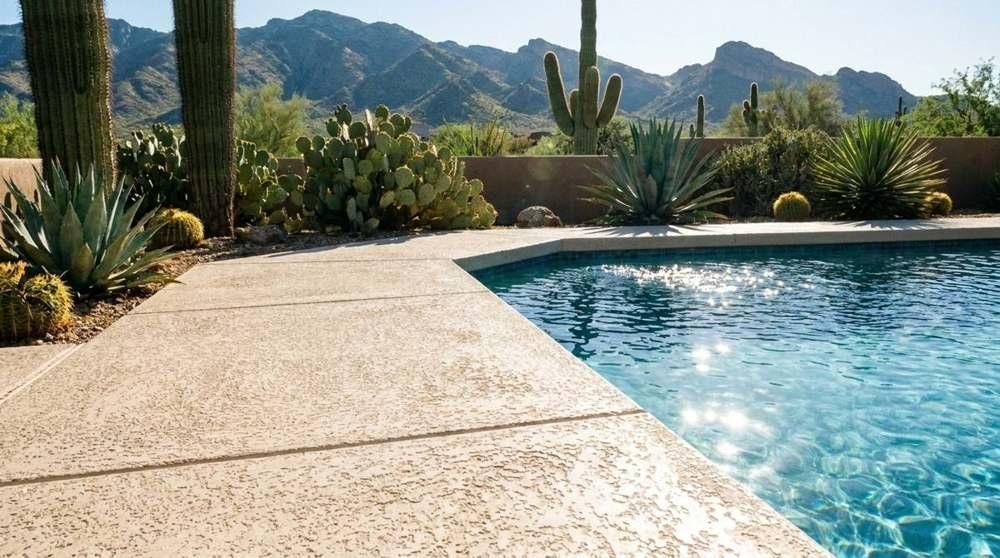
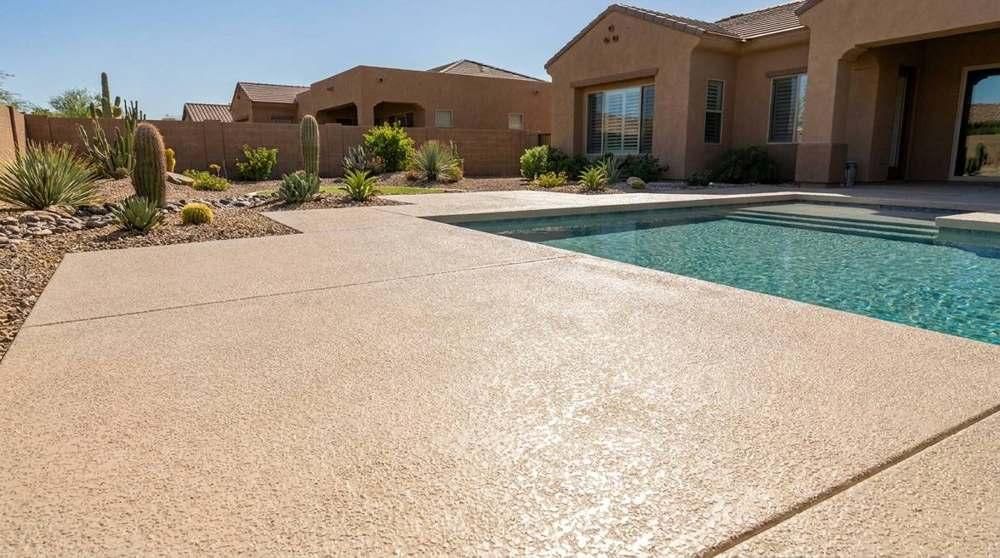
Acrylic lace coatings and cool deck-style overlays are common market options in Arizona because they can reduce surface heat and refresh older pool surrounds. Regional sources often place pool deck resurfacing in the $3 to $8 per square foot range, depending on repairs and finish. These systems can work well for cosmetic heat relief, but they still need periodic resealing and careful crack treatment.

Polyaspartic coatings and rubberized surfaces

Floor Shield Phoenix offers polyaspartic pool deck coatings, not rubber surfacing. Polyaspartic systems are UV-stable, slip-resistant, and chemical-resistant, which matters when water, sunscreen, chlorine, and summer sun hit the same surface every week. Rubberized systems are another market option some contractors provide, but they are usually chosen for cushion and comfort rather than the hard, seamless coating finish Floor Shield Phoenix installs.

When Repair, Resurface, or Replace Makes Sense

It’s important to evaluate the current condition of your concrete, as the right approach varies significantly depending on whether you’re dealing with minor surface wear or major structural movement.

Choosing the Right Fix for Your Deck

The smartest option depends on how much damage is under the surface, not just how the deck looks.

  • Choose resurfacing when the concrete is stable but faded, rough, or uncomfortable.
  • Choose a coating when you want sealed protection, traction, and UV stability.
  • Choose targeted repair when cracks are isolated and not moving.
  • Choose replacement when the slab has major settlement or structural movement.

Extending the Life of Your Concrete

A pool deck near older neighborhoods in Gilbert and the East Valley may show sun damage long before the concrete is structurally finished. That is where a coating can extend use without tearing out the slab. If the surface is lifting, dropping, or draining toward the pool, coating alone cannot correct the underlying movement.

Arizona pool deck coating lifespan depends heavily on prep and UV stability. A coating that bonds well and resists fading needs less touch-up than a surface film that breaks down under constant sun.

Balancing Appearance and Function

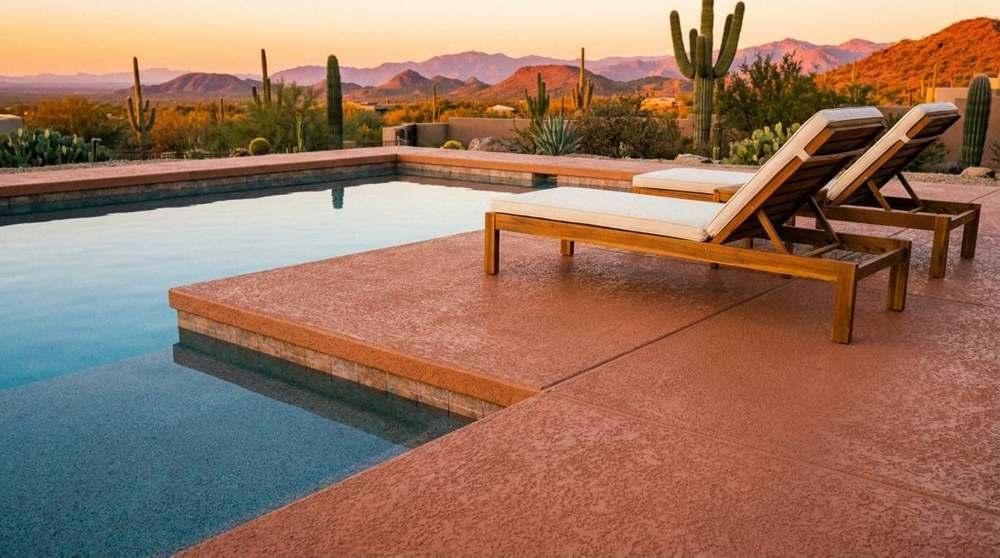
Color and texture should be chosen together. A light finish can help with heat, but a finish that is too smooth becomes uncomfortable once wet feet, sunscreen, and dust mix on the surface. A heavier texture adds grip, yet it should still feel comfortable for bare feet. That balance is why an on-site look matters more than choosing from a photo alone.

The concrete coating lifespan in Arizona also depends on what happens around the pool edge, drains, steps, and expansion joints. These details take extra time because the coating must finish cleanly without creating trip points or water traps. A square-foot price that ignores edges can look attractive until the final scope catches up.

Frequently Asked Questions

What is the best pool deck resurfacing option in Phoenix?

The best pool deck resurfacing option in Phoenix depends on whether the deck needs heat relief, slip resistance, cosmetic renewal, or structural repair. Polyaspartic coatings work well when the concrete is stable and needs UV-stable protection. Major slab movement needs concrete repair or replacement before a coating makes sense.

How much does pool deck resurfacing cost in Arizona?

Pool deck resurfacing in Arizona commonly falls around $3 to $8 per square foot for many overlay-style projects, while higher-performance coatings vary by prep and system. The condition of the deck changes the price quickly. Cracks, delamination, old coating removal, and drainage issues add labor before the new surface can perform.

Does Floor Shield Phoenix offer cool deck resurfacing?

Floor Shield Phoenix offers polyaspartic pool deck coatings rather than traditional cool deck resurfacing. Cool deck is a common market option, but Floor Shield Phoenix focuses on UV-stable, slip-resistant concrete coatings for pool areas. That distinction matters when you compare appearance, maintenance, and chemical resistance around Arizona pools.

Match the Pool Deck Fix to the Surface Problem

A faded pool deck doesn’t need the same solution as a moving slab. Resurfacing improves its appearance and comfort, coatings add sealed protection and traction, and replacement solves structural failure.

For a Phoenix pool deck that needs a durable coating, request a pool deck quote from Floor Shield Phoenix. Call (602) 890-3194.

Recent Posts

Why polyaspartic fits Phoenix garages
By Corey Parker June 29, 2026
See why Phoenix homeowners choose polyaspartic garage floor coatings: UV stability, hot-tire resistance, a 5-6 hour cure, and a 15-year warranty built for Arizona.
What patio coatings need to handle in Phoenix
By Corey Parker June 25, 2026
See the best concrete patio coating options for Phoenix outdoor living. Compare flake, quartz, solid, and clear finishes built to handle Arizona sun, dust, and wear.
What Arizona pool decks need from a coating
By Corey Parker June 21, 2026
Learn what an Arizona pool deck coating needs to handle heat and UV: UV stability, slip resistance, and chemical resistance. See how to choose the right finish.
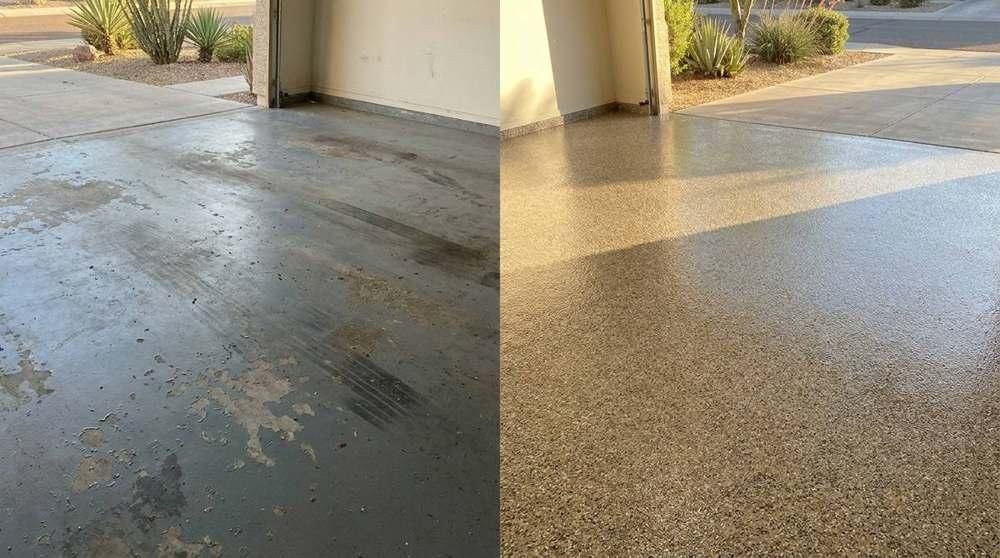
Paint, epoxy, and coating are not the same product
By Corey Parker June 18, 2026
Garage floor paint vs epoxy vs polyaspartic coating in Phoenix. See how each handles heat, UV, and hot tires, and why the coating upgrade pays off in Arizona.
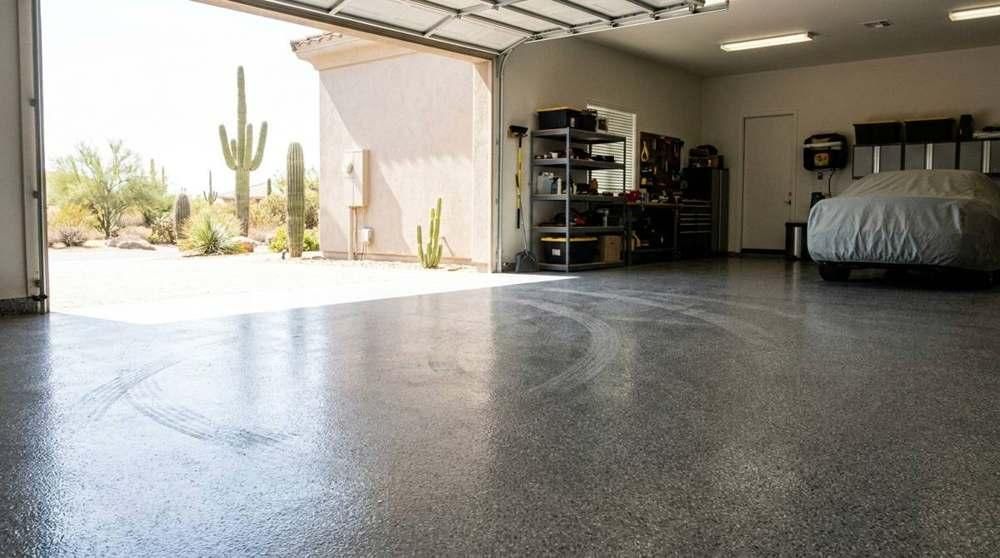
What makes a coating best for Phoenix
By Corey Parker June 15, 2026
Find the best garage floor coating for Phoenix homes. See why polyaspartic beats epoxy on UV, heat, and hot-tire stress, and how to match the finish to your garage.
Coating chemistry comes before color
By Corey Parker June 10, 2026
Explore the main types of garage floor coatings for Phoenix homes, from epoxy and polyaspartic to flake, quartz, and clear finishes. Learn which fits desert heat.
What drives garage floor coating cost in Phoenix
By Corey Parker June 3, 2026
See garage floor coating cost ranges in Phoenix for 2026, including prep, coating type, warranty, and how coatings perform in Arizona’s heat.
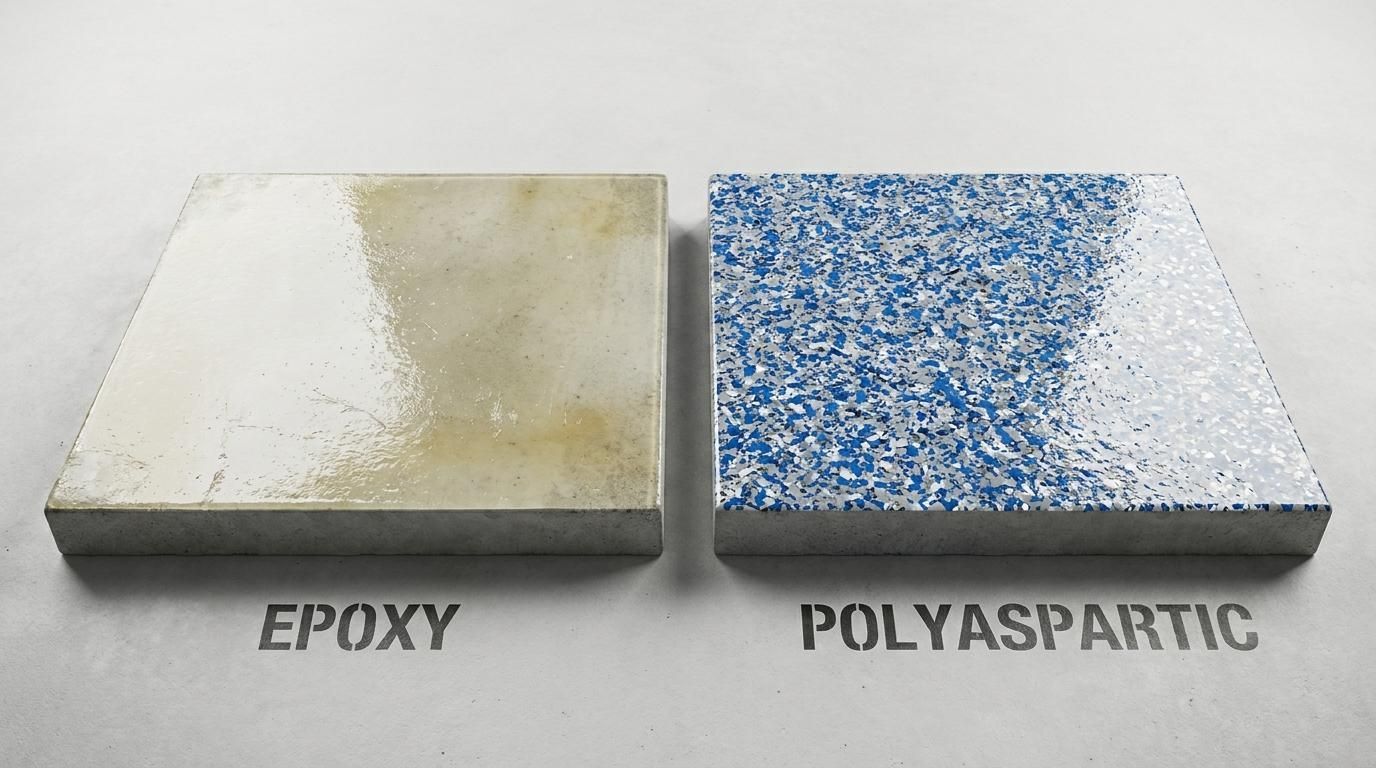
By Corey Parker May 28, 2026
Compare polyaspartic vs. epoxy garage floor coatings for Arizona homes. Weigh their UV resistance, cure times, costs, and heat performance side by side.
By Corey Parker May 25, 2026
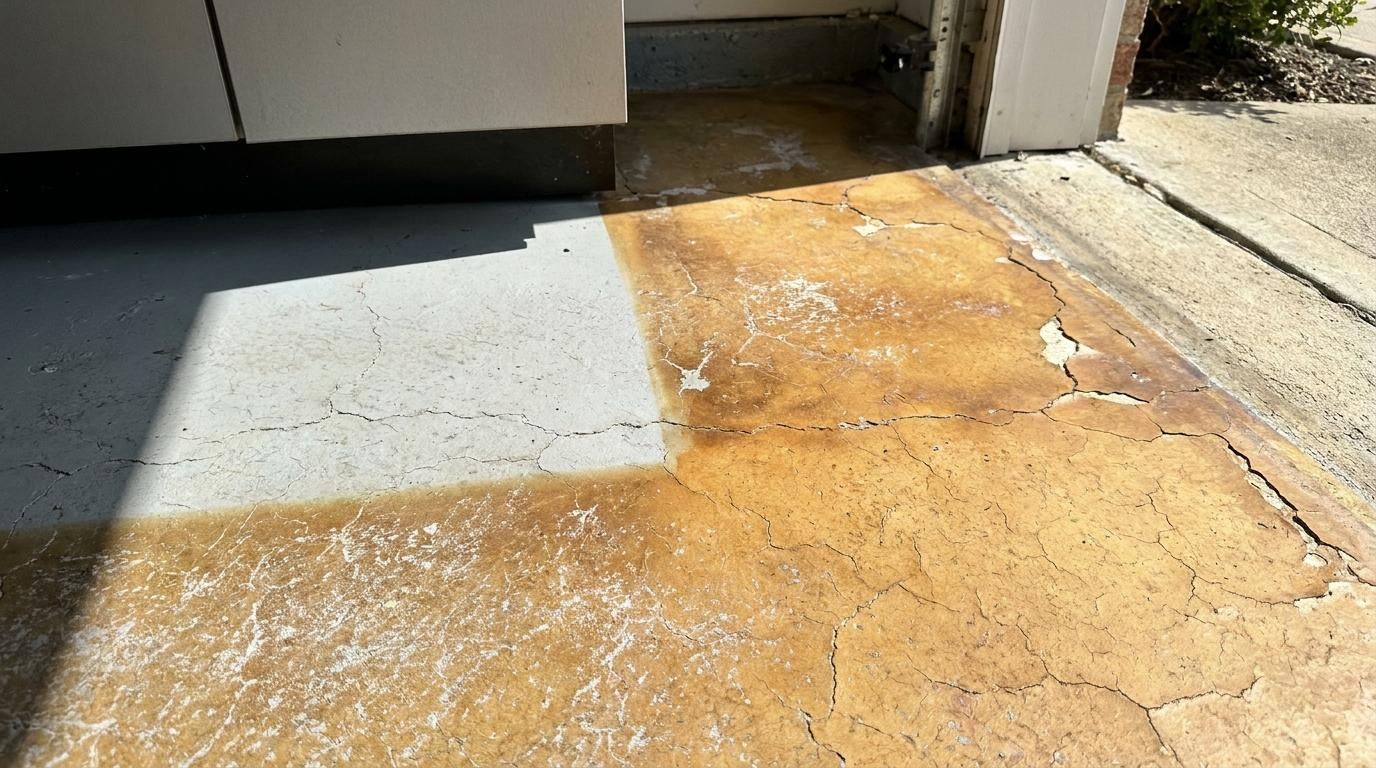
Epoxy garage floors yellow from UV exposure. Learn the chemistry behind epoxy yellowing, why Arizona accelerates it, and which coatings don't turn yellow.
By Corey Parker May 21, 2026
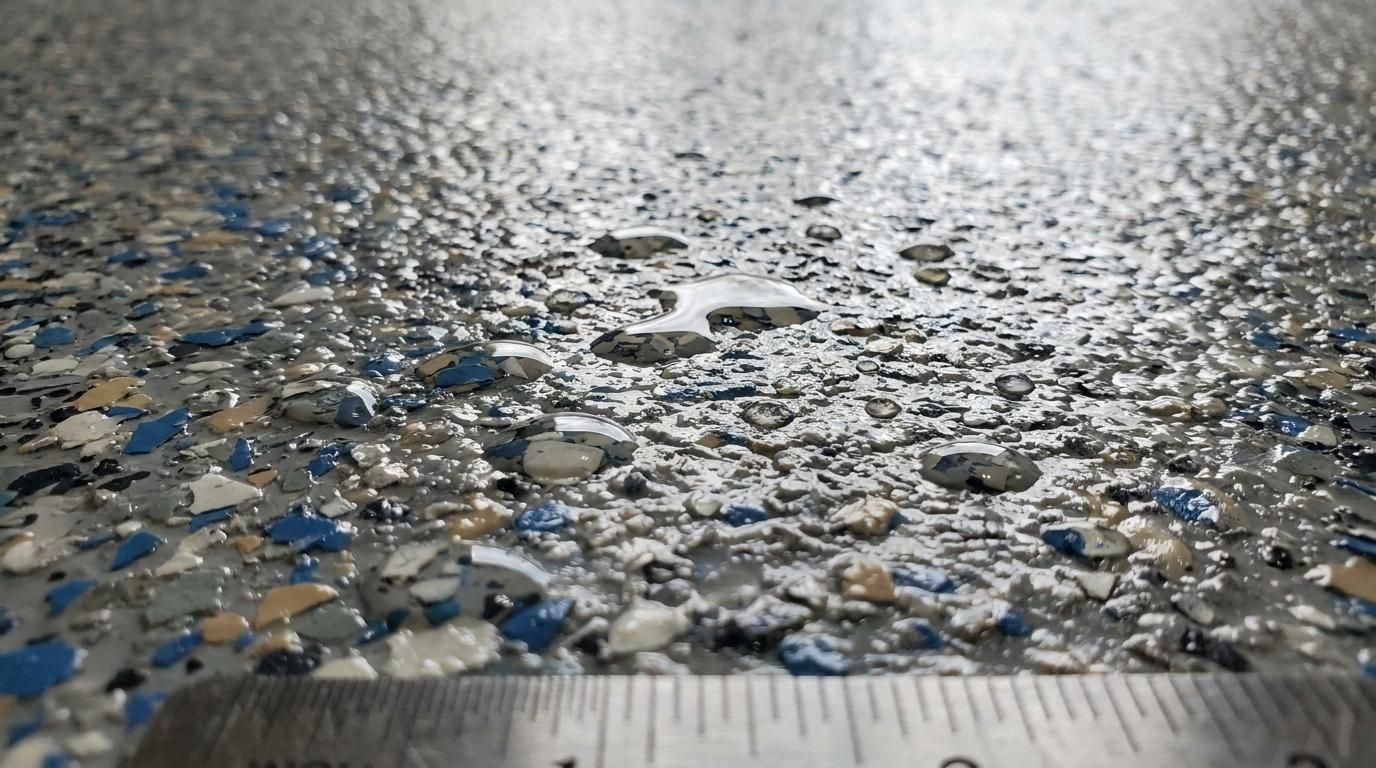
Are coated garage floors slippery? Learn how slip resistance works, what DCOF means, and which coating systems provide the best traction in Phoenix.
Show More