Concrete Patio Coatings for Phoenix Outdoor Living: Options That Last

Corey Parker • June 25, 2026

Share this article

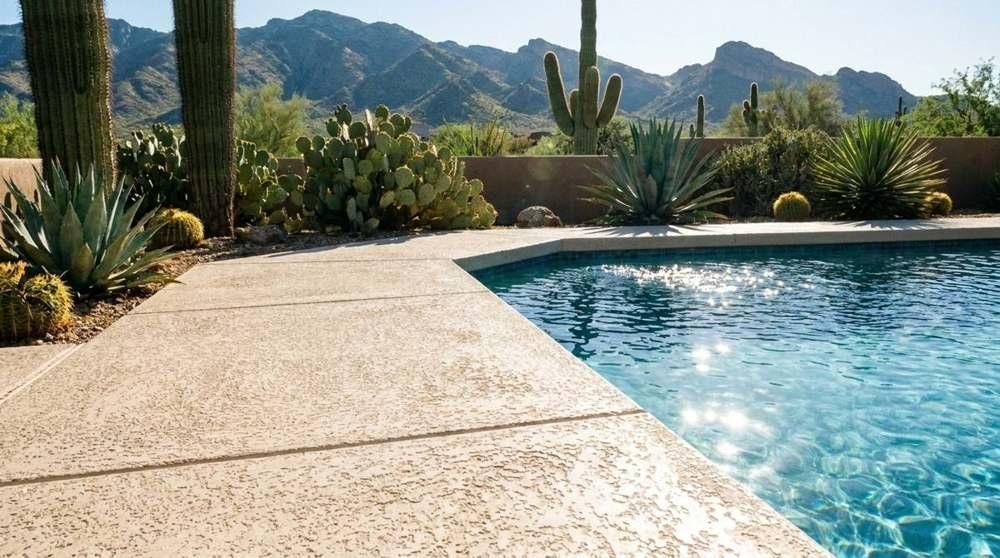
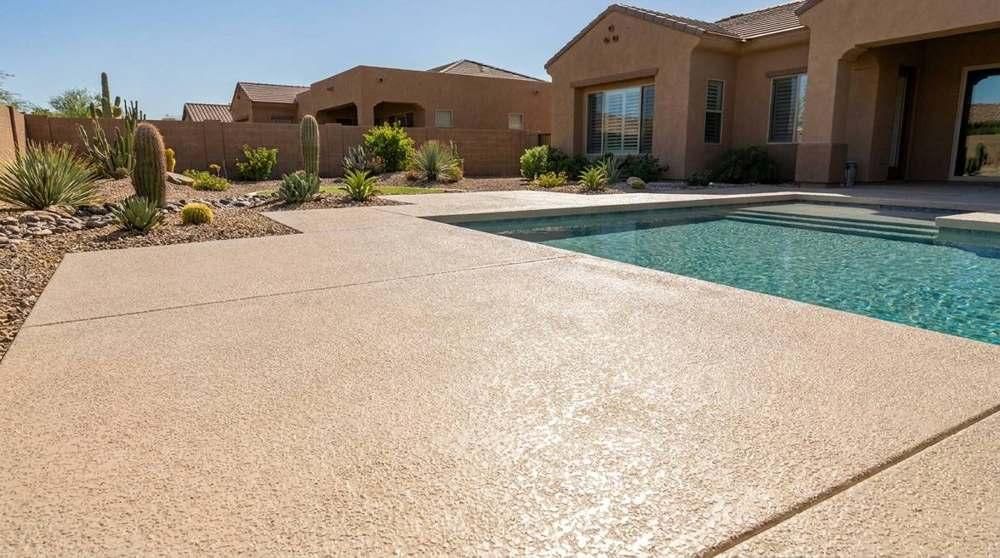
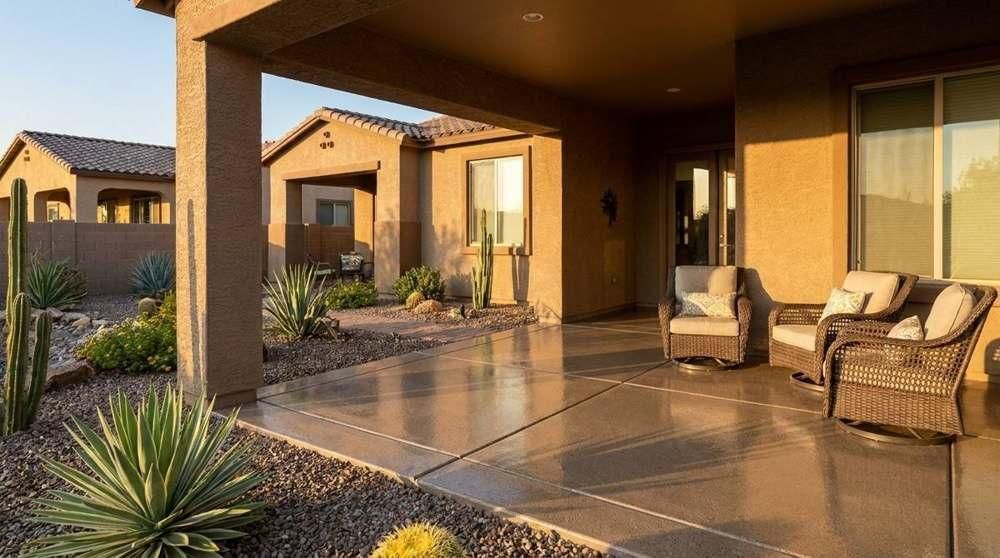
A concrete patio coating protects Phoenix outdoor surfaces from the things that wear them down fastest: UV exposure, blowing dust, stains, and the daily temperature swings that crack and fade bare concrete. It should also improve how the patio feels and looks underfoot. Floor Shield Phoenix installs patio coating systems built for exterior concrete that takes full Arizona sun without fading.

A tired patio usually shows up in the same way: blotchy concrete, dusty crumbling edges, and dark stains around the grill or furniture feet. A coating turns that same space into something cleaner, easier to sweep, and a place you want to spend time in. The option that lasts comes down to four things: the coating type, the finish, the surface prep, and how exposed the patio is. We explore each key factor below.

What Patio Coatings Need to Handle in Phoenix

A patio coating has to perform outdoors, not just look good on installation day.

Sun, dust, and surface wear

Phoenix patios face long UV exposure, monsoon dust, patio furniture movement, and occasional water from irrigation or cleaning. Floor Shield Phoenix's polyaspartic systems are UV-stable, which helps the finish resist yellowing and fading. Bare concrete absorbs stains and dust through open pores, while a sealed coating gives dirt fewer places to settle.

Finish systems for outdoor use

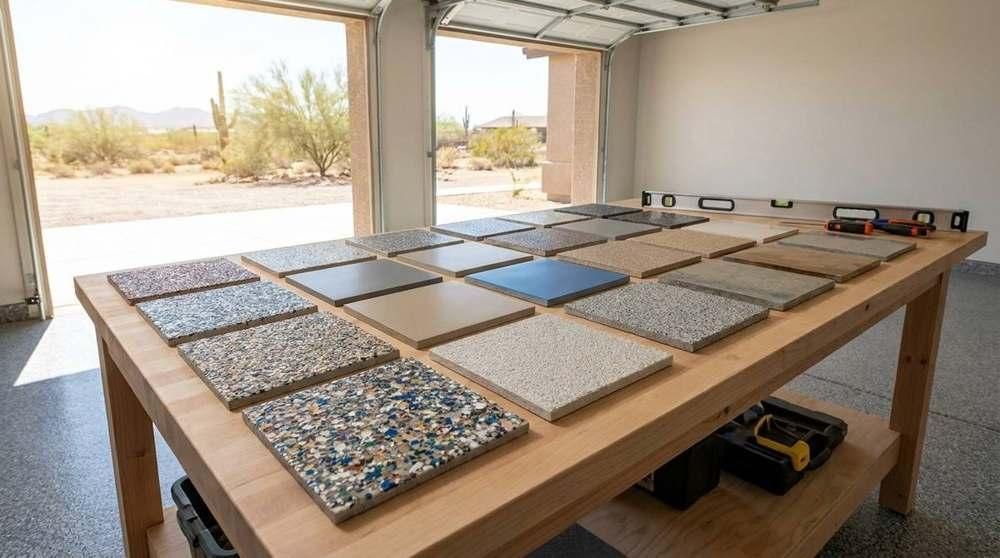
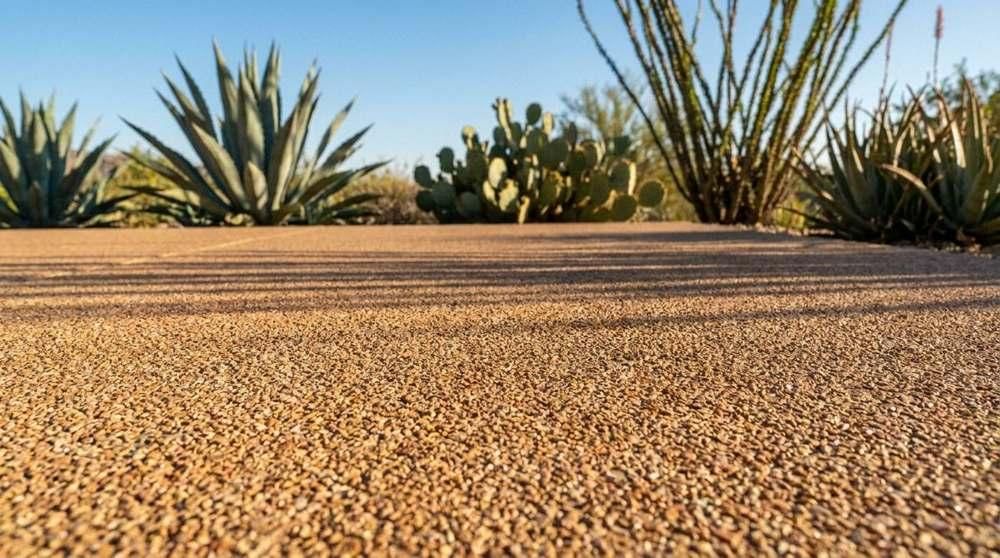
Flake, solid color, clear, and quartz systems can all work outdoors when the slab condition and use case fit. The clear coating system makes sense when existing decorative concrete should remain visible. Flake hides small imperfections, quartz adds traction, and solid color creates a cleaner modern surface. The finish should follow the patio's real use, not just the sample you liked indoors.

When a Patio Coating Is the Right Upgrade

A concrete coating is a good option for a patio when the slab is stable but needs protection, texture, or a cleaner finish.

Consider a professional coating if:

  • The patio is faded but not structurally failing.
  • Stains keep soaking into the concrete.
  • Dust and grit collect on the surface after a windy day.
  • The patio needs more traction near doors, grills, or pool paths.
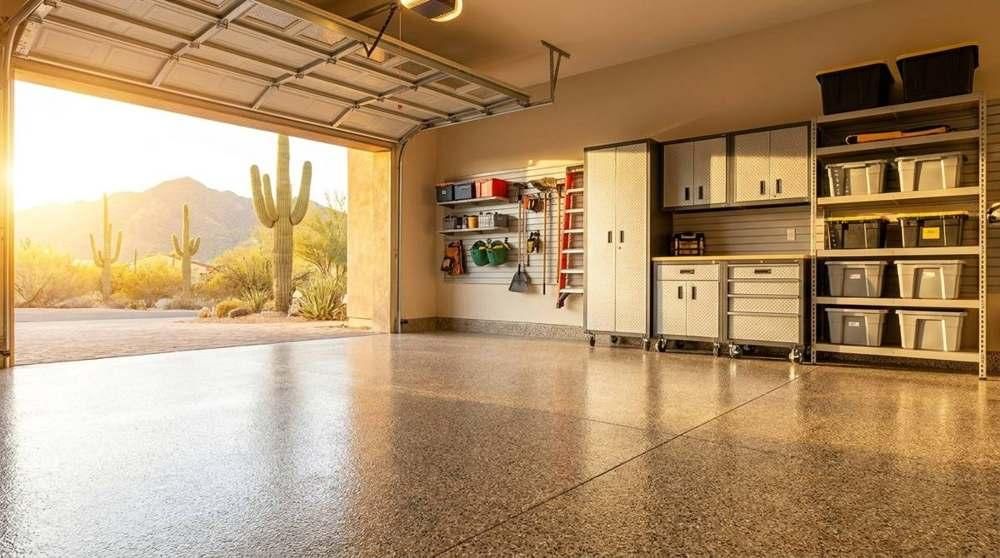
  • You want the outdoor living area to match a finished garage or pool deck.

Comparing Coating vs. Replacement

For homeowners across our service areas, coating is often more practical than replacing concrete that still drains properly and has no major movement. Replacement makes sense when the slab is sinking, heaving, or cracked through in ways a surface system cannot stabilize.

Concrete coating makes the most sense when the patio already functions well but looks worn. In that case, coating protects the surface you already have instead of starting over.

Tailoring Finish to Daily Use

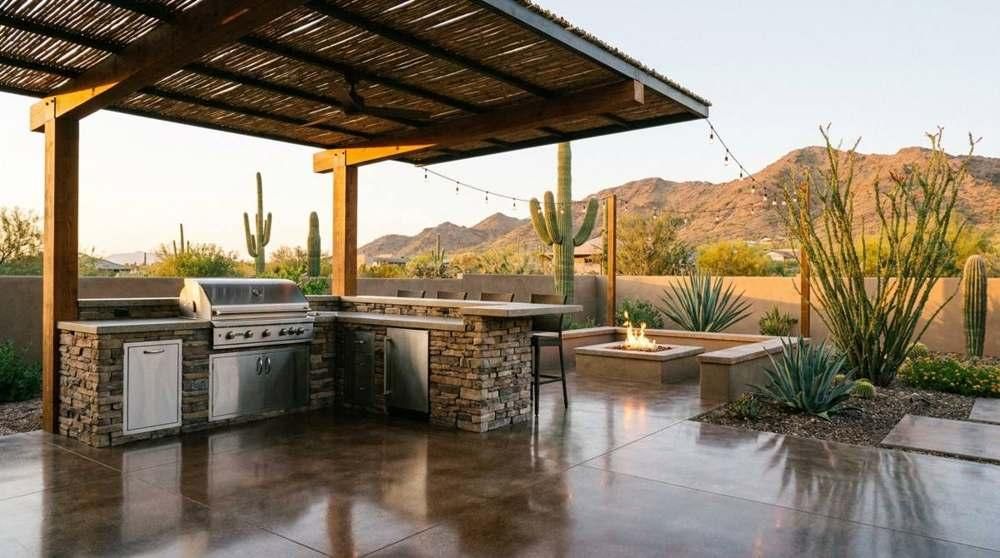
Furniture layout should guide the finish, too. Dining chairs, rolling carts, grill wheels, and planters can scratch or wear a weak surface in concentrated paths. A patio used for weekend meals needs a different texture than a side yard walkway used mostly for trash bins. The coating should support how the space already gets used, not force you to treat it gently.

Color selection should also account for sun exposure. A patio under a shade structure can handle deeper tones better than an exposed slab near a pool or south-facing wall. Lighter finishes tend to be more comfortable under direct sunlight. A textured finish adds grip where the patio gets wet or slick, such as around a grill or a splash zone, so it's safer underfoot than a smooth, glossy surface.

Frequently Asked Questions

What is the best concrete patio coating for Phoenix?

The best concrete patio coating for Phoenix is usually a UV-stable polyaspartic system with the right texture for outdoor use. Patios need protection from sun, dust, stains, and foot traffic. Floor Shield Phoenix offers flake, quartz, solid color, and clear finishes for different patio conditions.

Can a patio coating cover cracks?

A patio coating can cover small repaired cracks, but a patio coating should not be used to hide structural movement. Cracks need to be assessed and repaired during prep before the coating is installed. If the slab is settling or heaving, concrete repair comes before coating.

Is coated patio concrete slippery when wet?

Coated patio concrete is not automatically slippery when wet if the finish includes the right texture. Quartz and textured flake systems can improve grip for outdoor traffic. Smooth coatings may look sleek, but exterior patios usually need traction built into the finish.

Make the Patio Easier to Use Year-Round

A patio coating that lasts protects the slab, improves traction, and makes the space easier to clean after dust, grilling, and everyday use. The best finish depends on whether your patio needs to hide dirt, provide slip resistance, complement a modern home aesthetic, or provide clear protection that lets the existing concrete show.

For a concrete patio coating built for Phoenix outdoor living, request a patio coating quote at (602) 890-3194.

Recent Posts

Why polyaspartic fits Phoenix garages
By Corey Parker June 29, 2026
See why Phoenix homeowners choose polyaspartic garage floor coatings: UV stability, hot-tire resistance, a 5-6 hour cure, and a 15-year warranty built for Arizona.
What Arizona pool decks need from a coating
By Corey Parker June 21, 2026
Learn what an Arizona pool deck coating needs to handle heat and UV: UV stability, slip resistance, and chemical resistance. See how to choose the right finish.
Paint, epoxy, and coating are not the same product
By Corey Parker June 18, 2026
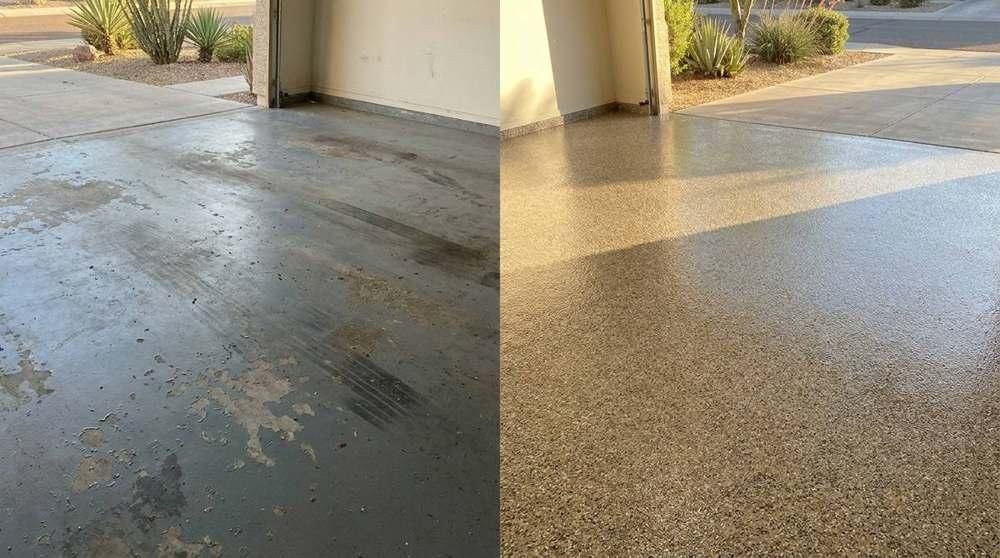
Garage floor paint vs epoxy vs polyaspartic coating in Phoenix. See how each handles heat, UV, and hot tires, and why the coating upgrade pays off in Arizona.
What makes a coating best for Phoenix
By Corey Parker June 15, 2026
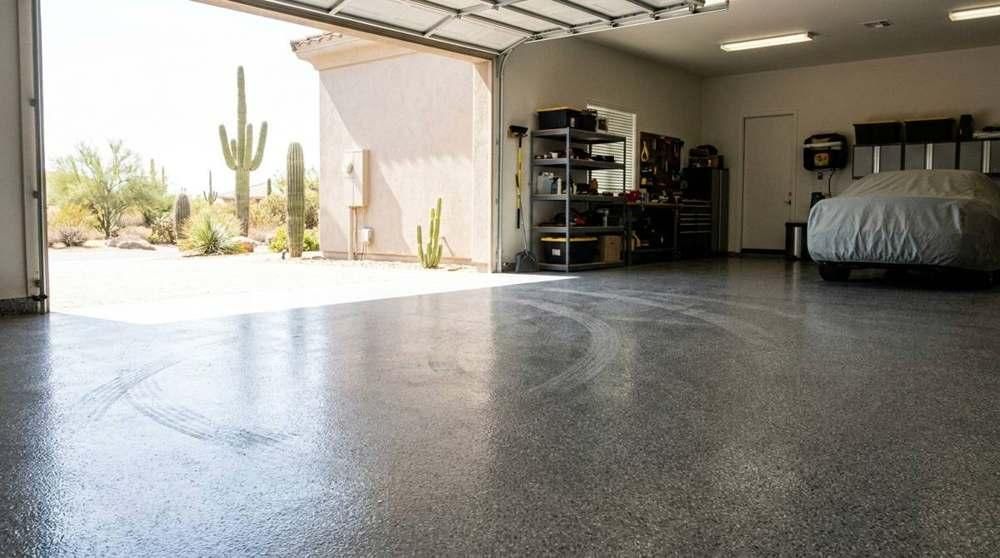
Find the best garage floor coating for Phoenix homes. See why polyaspartic beats epoxy on UV, heat, and hot-tire stress, and how to match the finish to your garage.
Coating chemistry comes before color
By Corey Parker June 10, 2026
Explore the main types of garage floor coatings for Phoenix homes, from epoxy and polyaspartic to flake, quartz, and clear finishes. Learn which fits desert heat.
How the main pool deck options compare
By Corey Parker June 6, 2026
Compare Phoenix pool deck resurfacing options, including acrylic overlays, coatings, and replacement. See costs, heat and traction trade-offs, and when to use each.
What drives garage floor coating cost in Phoenix
By Corey Parker June 3, 2026
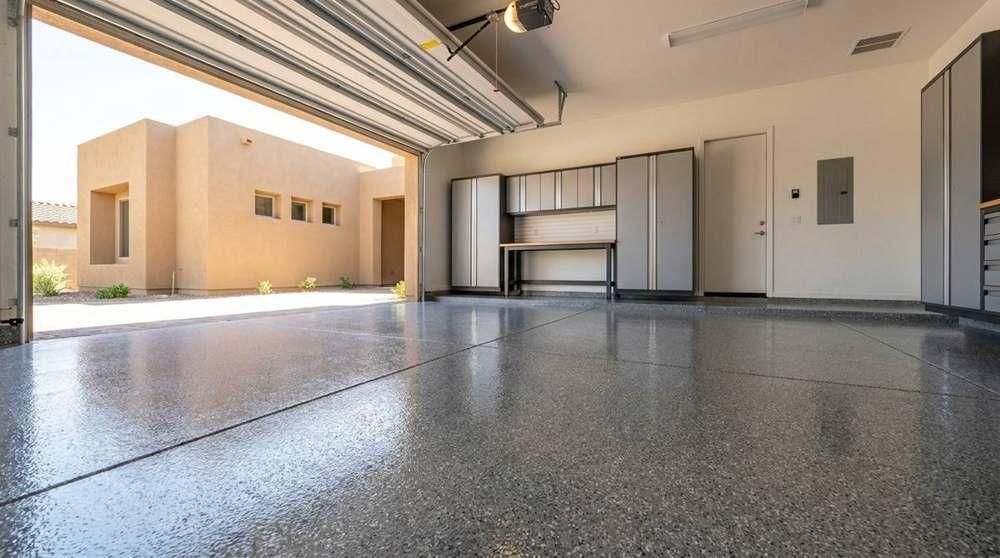
See garage floor coating cost ranges in Phoenix for 2026, including prep, coating type, warranty, and how coatings perform in Arizona’s heat.
By Corey Parker May 28, 2026
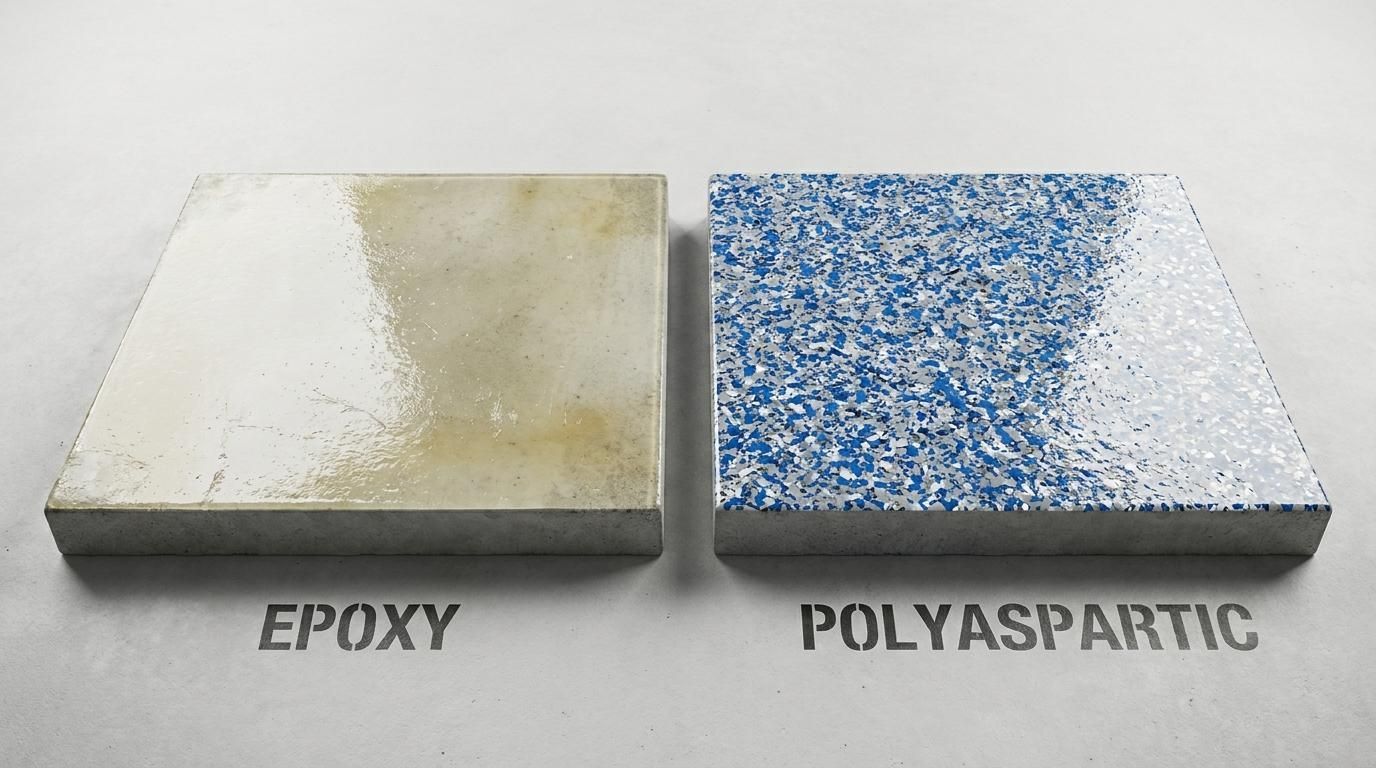
Compare polyaspartic vs. epoxy garage floor coatings for Arizona homes. Weigh their UV resistance, cure times, costs, and heat performance side by side.
By Corey Parker May 25, 2026
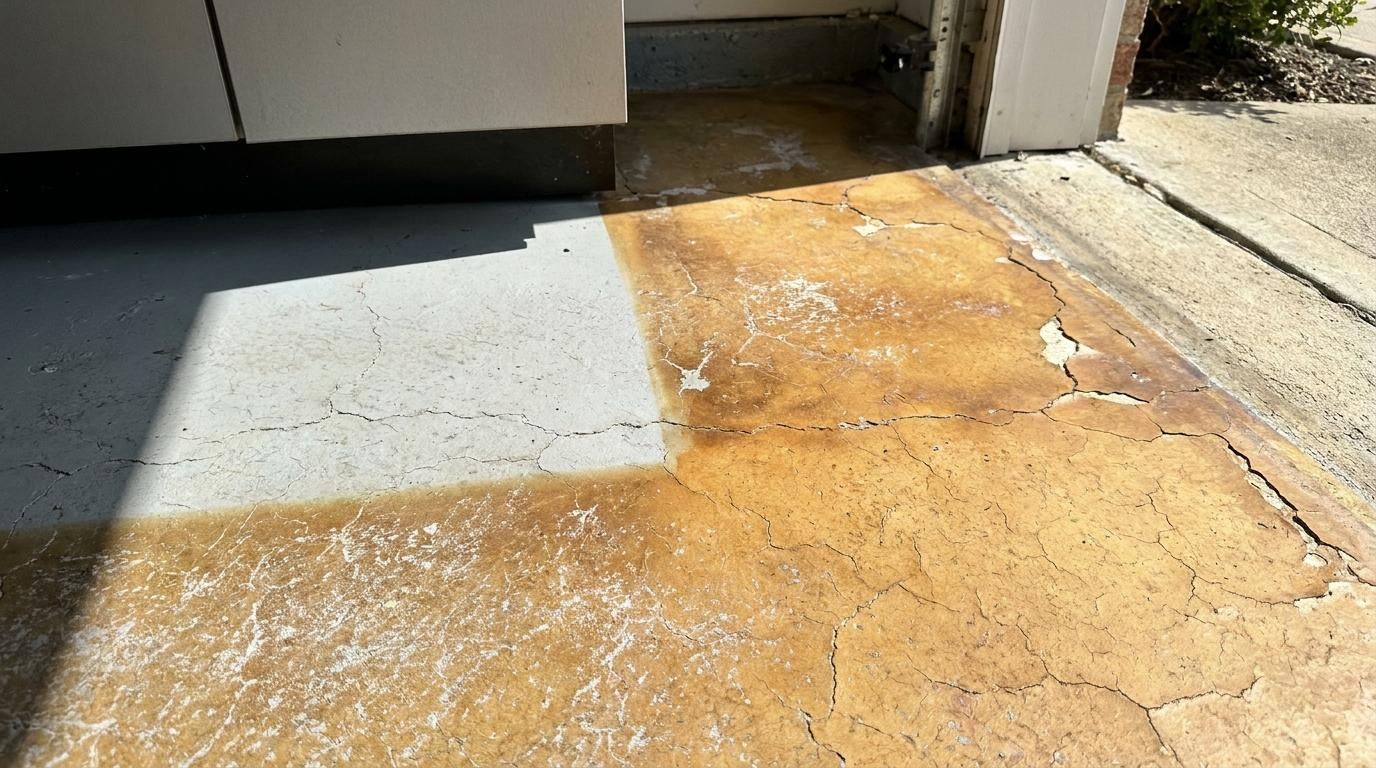
Epoxy garage floors yellow from UV exposure. Learn the chemistry behind epoxy yellowing, why Arizona accelerates it, and which coatings don't turn yellow.
By Corey Parker May 21, 2026
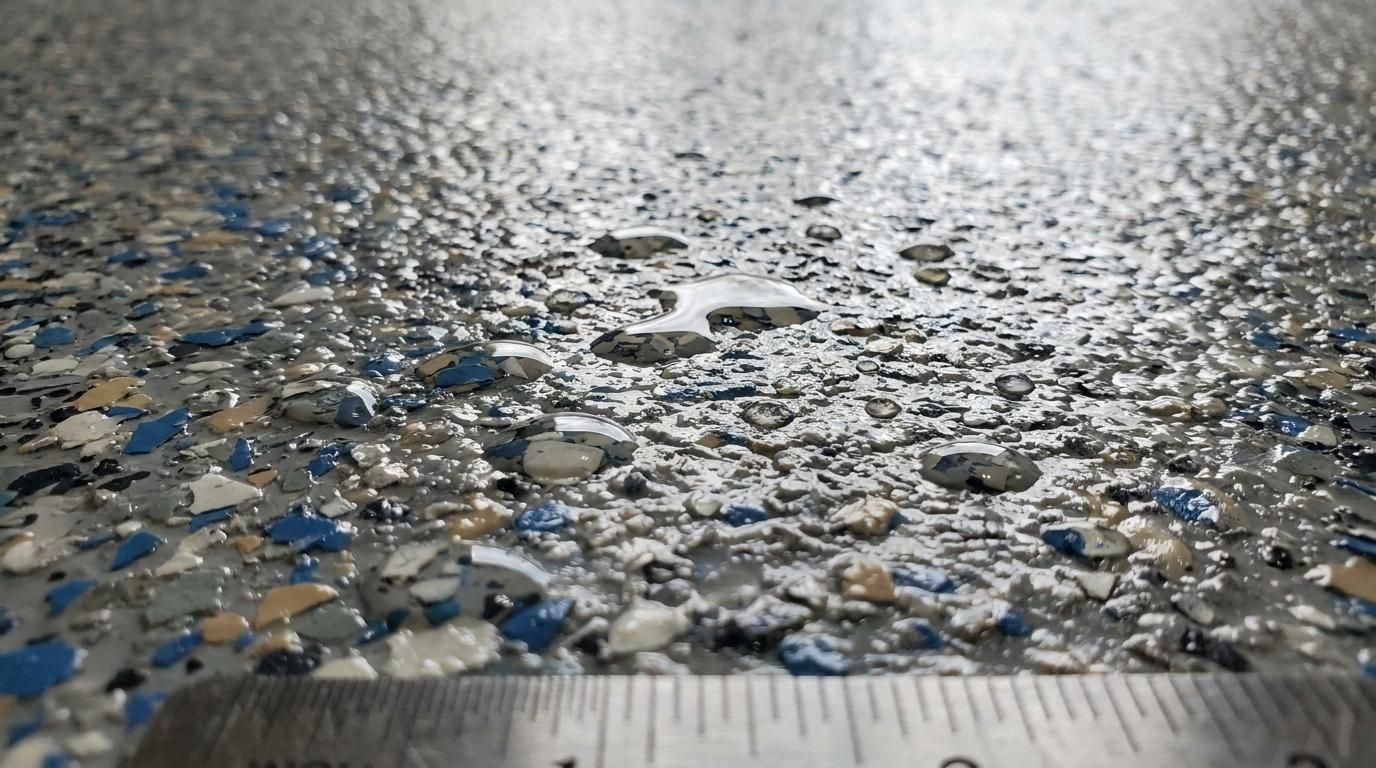
Are coated garage floors slippery? Learn how slip resistance works, what DCOF means, and which coating systems provide the best traction in Phoenix.
Show More