Floor Shield Phoenix Floor Coating Warranties Explained

Corey Parker • May 10, 2026

Share this article

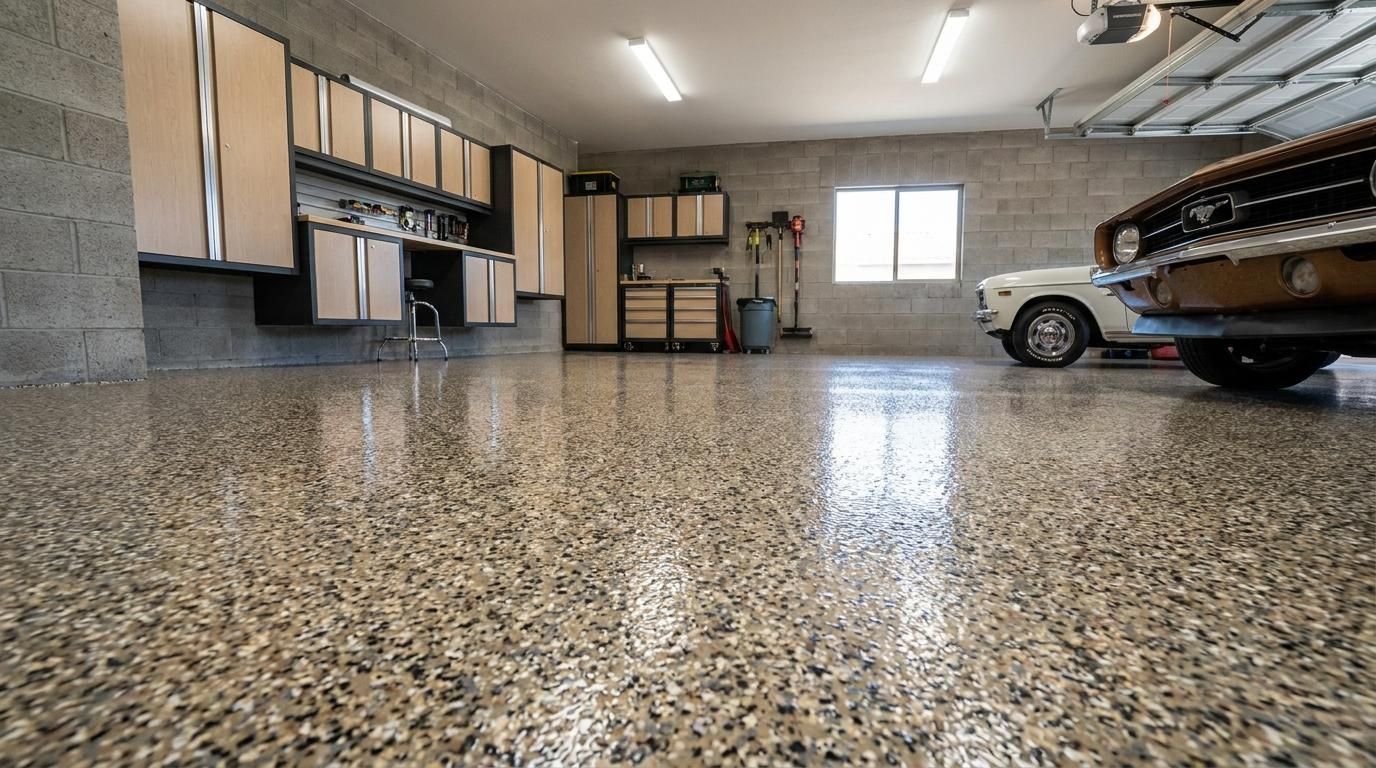
Floor Shield Phoenix offers a 15-year warranty on every polyaspartic garage floor coating installation , covering peeling, delamination, and adhesion failure across the Phoenix metro and East Valley. That's roughly three times the coverage of standard epoxy warranties, which often run 5 years or less.

Knowing what your warranty actually covers and what can void it matters more in Arizona than in milder climates. UV exposure, surface temperatures above 140°F on uncoated concrete, and monsoon-season moisture all stress coatings in ways that void poorly-written warranties. The sections below explain what's covered, what isn't, and how to compare warranty terms when getting quotes.

What the 15-Year Warranty Covers

Floor Shield Phoenix's 15-year warranty covers the core failures that matter most to homeowners: peeling, flaking, delamination, and the loss of adhesion to the concrete substrate.

This means if the coating separates from the concrete, blisters, or chips under normal residential use during the warranty period, Floor Shield Phoenix will repair or recoat the affected area at no cost. The warranty covers the material and the labor.

The 15-year term isn't arbitrary. Polyaspartic coatings are formulated to resist UV degradation, thermal cycling, and chemical exposure for well beyond that window. The warranty sets a floor, not a ceiling, for expected performance. Many polyaspartic installations last 20 years or more with basic maintenance.

Floor Shield Phoenix's Warranty vs. Epoxy Warranties

Most epoxy coating warranties in Arizona range from 1–5 years, and many DIY epoxy kits carry no warranty at all. The gap between a 15-year polyaspartic warranty and a 3-year epoxy warranty reflects a real difference in material performance.

Epoxy's aromatic resin structure breaks down under UV exposure. In Phoenix, where concrete surfaces absorb intense sun through garage doors and windows, that degradation starts within months. Warranty claims on epoxy floors often get denied because the damage falls under "environmental exposure," which most epoxy warranties exclude.

Floor Shield Phoenix does not install epoxy coatings. The company chose polyaspartic exclusively because its aliphatic chemistry is UV-stable by design, which means the warranty can cover what actually happens to floors in Arizona's climate without carving out environmental exceptions.

What Can Void a Floor Coating Warranty

Understanding warranty exclusions is just as important as understanding coverage. Most professional floor coating warranties, including Floor Shield Phoenix's, exclude damage caused by specific conditions.

Common exclusions include:

  • Damage from sharp impact (dropping heavy tools or equipment directly on the surface)
  • Chemical burns from industrial solvents not intended for residential use
  • Modifications or repairs performed by anyone other than the original installer
  • Substrate failure caused by pre-existing concrete moisture problems that weren't disclosed before installation

Proper surface preparation eliminates most warranty disputes before they happen. Floor Shield Phoenix uses diamond grinding on every installation, which creates a mechanical bond between the coating and concrete that acid-etching can't match. That prep step is the foundation the warranty rests on.

Frequently Asked Questions

Does the warranty transfer if I sell my home?

Warranty transferability varies by installer. Contact Floor Shield Phoenix directly to confirm transfer terms for your specific installation. Many polyaspartic coating warranties in the industry do transfer to the new homeowner, which adds value at resale since the buyer inherits the remaining coverage.

What happens if my coating fails after the warranty expires?

Polyaspartic coatings don't stop performing at the 15-year mark. The warranty is a guaranteed minimum, not an expiration date. If the coating eventually shows wear beyond the warranty window, recoating a polyaspartic surface is straightforward because the existing coating provides a solid base for a new topcoat layer.

Are there maintenance requirements to keep the warranty valid?

Basic care is expected: regular sweeping to remove debris, occasional mopping with a mild cleaner, and avoiding dragging sharp metal objects across the surface. Floor Shield Phoenix's FAQ page covers specific cleaning recommendations. No special products or professional maintenance visits are required to keep your warranty active.

What Your Warranty Means in Practice

A warranty is only as strong as the product and installer behind it. Floor Shield Phoenix's 15-year coverage reflects polyaspartic's proven chemistry in Arizona conditions, backed by proper diamond grinding prep and professional installation. Before choosing any floor coating contractor, compare warranty length, what's actually covered, and what the exclusions say about the product's real-world limits.

For questions about warranty terms or to schedule a free estimate, contact Floor Shield Phoenix at (602) 890-3194 .

Recent Posts

Why polyaspartic fits Phoenix garages
By Corey Parker June 29, 2026
See why Phoenix homeowners choose polyaspartic garage floor coatings: UV stability, hot-tire resistance, a 5-6 hour cure, and a 15-year warranty built for Arizona.
What patio coatings need to handle in Phoenix
By Corey Parker June 25, 2026
See the best concrete patio coating options for Phoenix outdoor living. Compare flake, quartz, solid, and clear finishes built to handle Arizona sun, dust, and wear.
What Arizona pool decks need from a coating
By Corey Parker June 21, 2026
Learn what an Arizona pool deck coating needs to handle heat and UV: UV stability, slip resistance, and chemical resistance. See how to choose the right finish.
Paint, epoxy, and coating are not the same product
By Corey Parker June 18, 2026
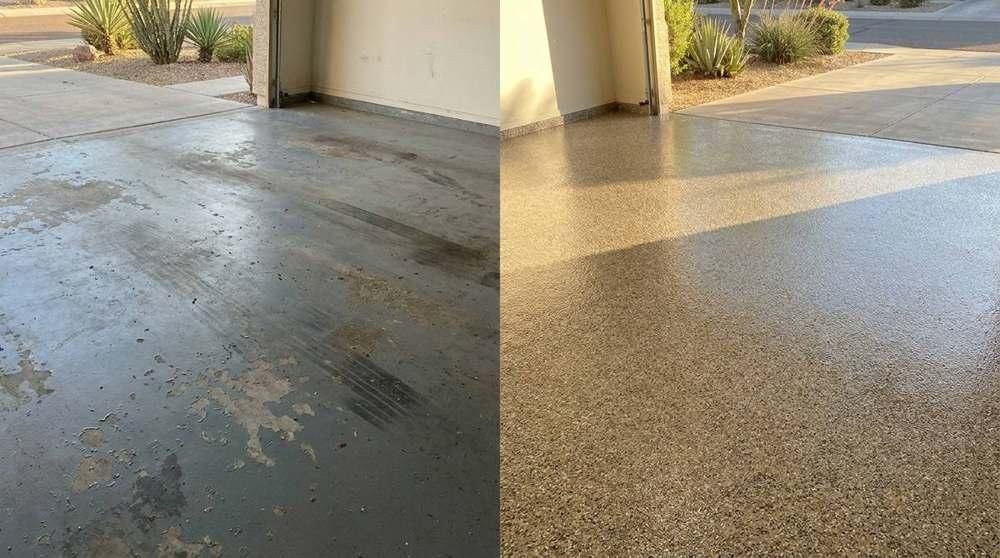
Garage floor paint vs epoxy vs polyaspartic coating in Phoenix. See how each handles heat, UV, and hot tires, and why the coating upgrade pays off in Arizona.
What makes a coating best for Phoenix
By Corey Parker June 15, 2026
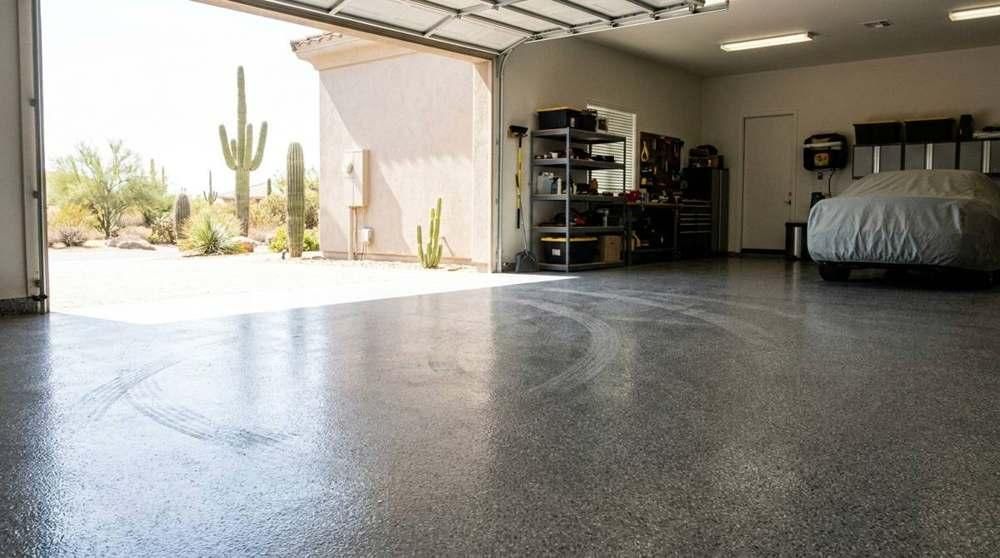
Find the best garage floor coating for Phoenix homes. See why polyaspartic beats epoxy on UV, heat, and hot-tire stress, and how to match the finish to your garage.
Coating chemistry comes before color
By Corey Parker June 10, 2026
Explore the main types of garage floor coatings for Phoenix homes, from epoxy and polyaspartic to flake, quartz, and clear finishes. Learn which fits desert heat.
How the main pool deck options compare
By Corey Parker June 6, 2026
Compare Phoenix pool deck resurfacing options, including acrylic overlays, coatings, and replacement. See costs, heat and traction trade-offs, and when to use each.
What drives garage floor coating cost in Phoenix
By Corey Parker June 3, 2026
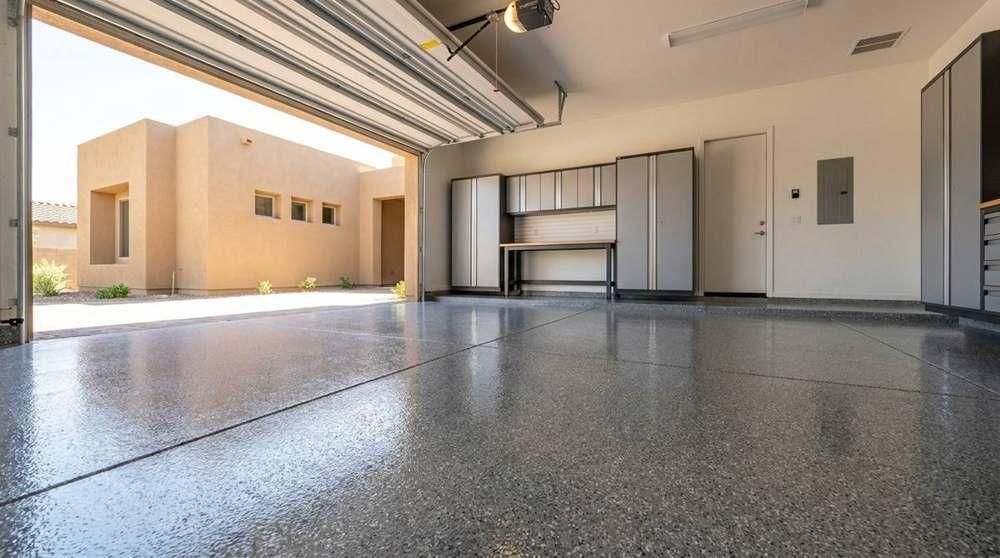
See garage floor coating cost ranges in Phoenix for 2026, including prep, coating type, warranty, and how coatings perform in Arizona’s heat.
By Corey Parker May 28, 2026
Compare polyaspartic vs. epoxy garage floor coatings for Arizona homes. Weigh their UV resistance, cure times, costs, and heat performance side by side.
By Corey Parker May 25, 2026
Epoxy garage floors yellow from UV exposure. Learn the chemistry behind epoxy yellowing, why Arizona accelerates it, and which coatings don't turn yellow.
Show More